
 Image 1 of 8
 Image 2 of 8
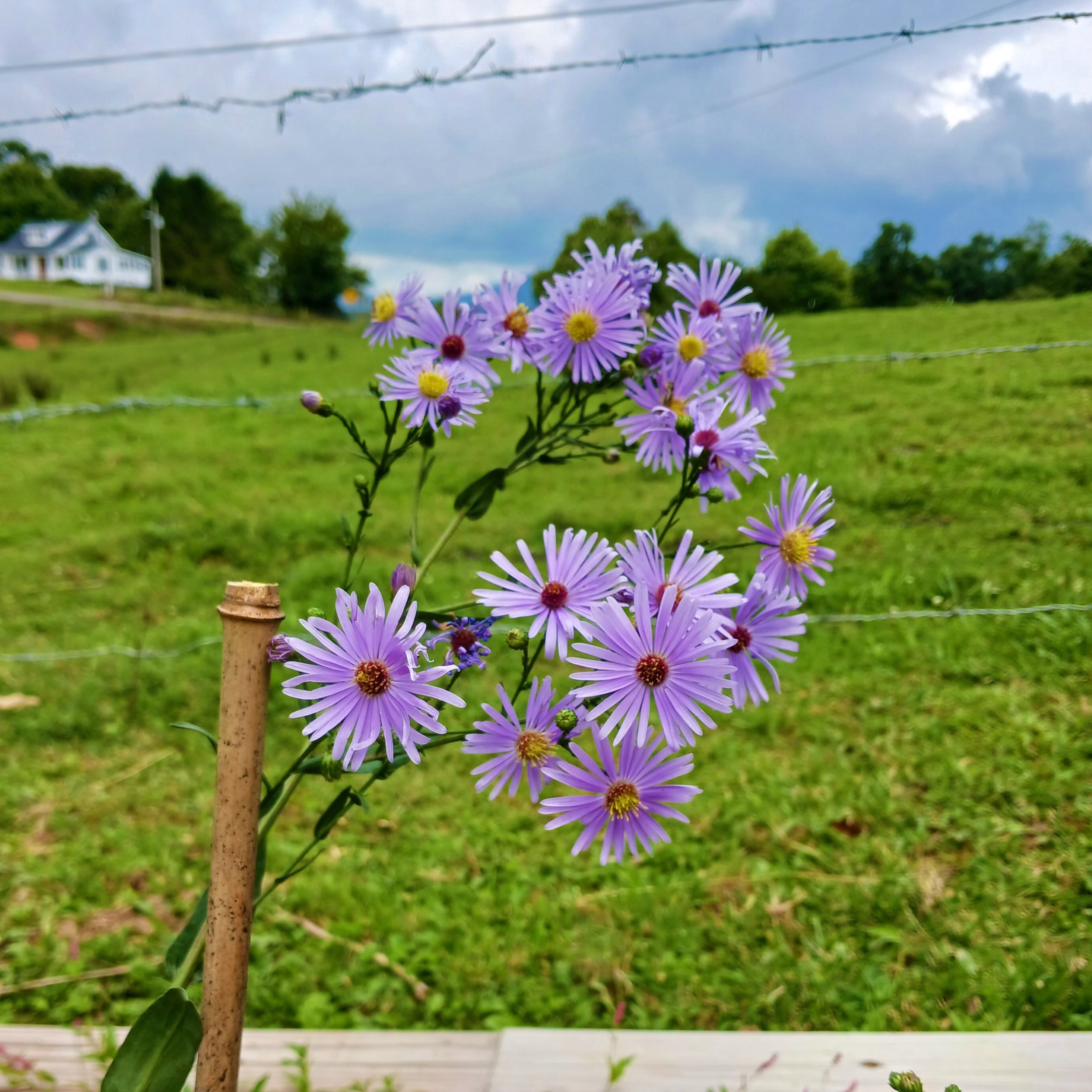 Image 3 of 8
 Image 4 of 8
 Image 5 of 8
 Image 6 of 8
 Image 7 of 8
 Image 8 of 8
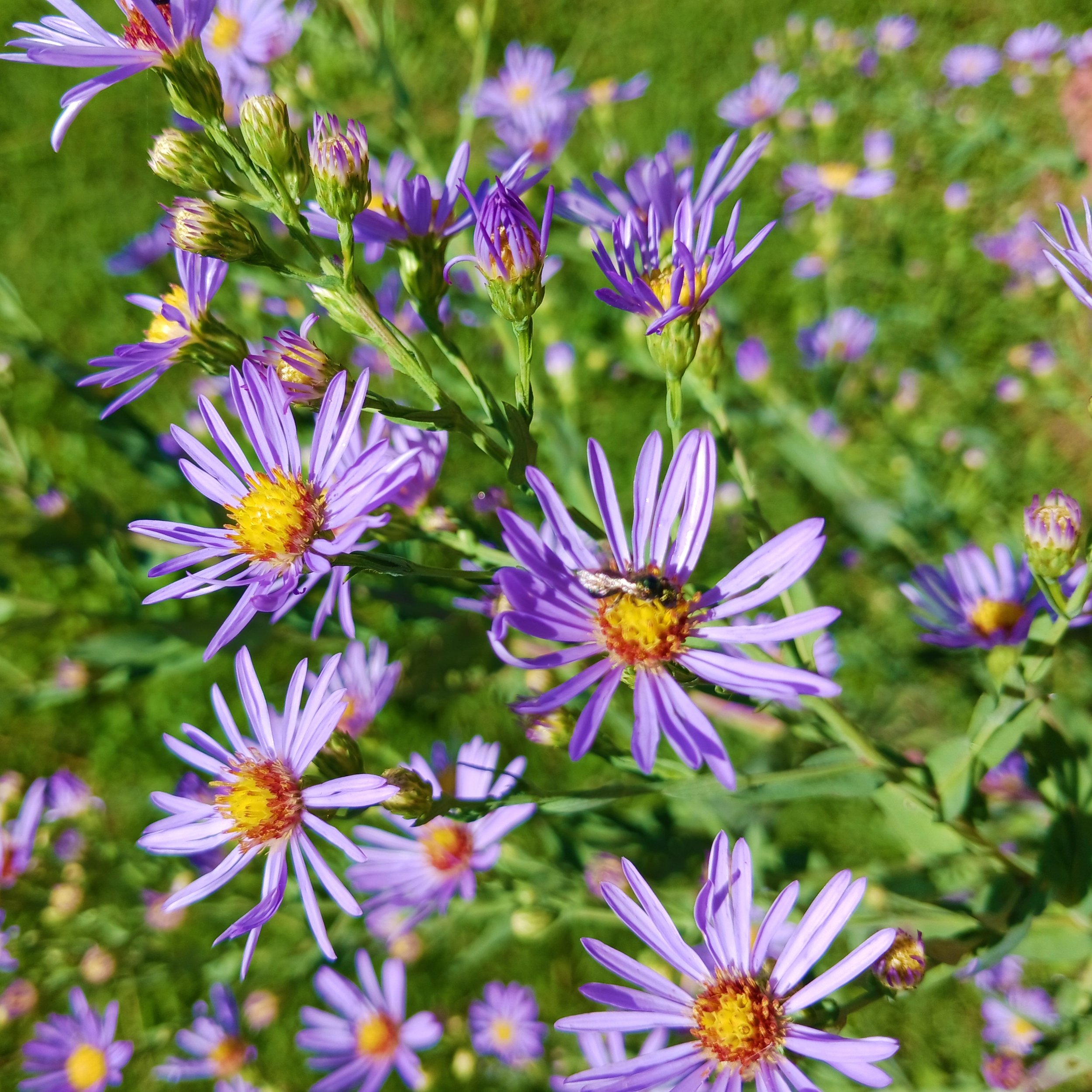
Symphyotrichum laeve is a unique aster with many qualities making it an ideal selection for home gardens. The flowers can range from pale blue to vibrant purple, with yellow centers that change to red over time. Rather than the shrubby habit of other asters, Symphyotrichum laeve grows up to 4’ tall on narrow stalks with smooth blue-green leaves, sturdy and resistant to high winds and persist after flowering. The leaves can change to vibrant fall colors as well, although the bloom period can be long lasting, beginning in August and continuing through October, sometimes even after first frost. Although it can spread by rhizomes, this species of aster grows slowly and pairs well with other garden plants, especially in an open landscape. It flowers best in full sun but can tolerate partial shade, as well as a range of soils from moist to dry.
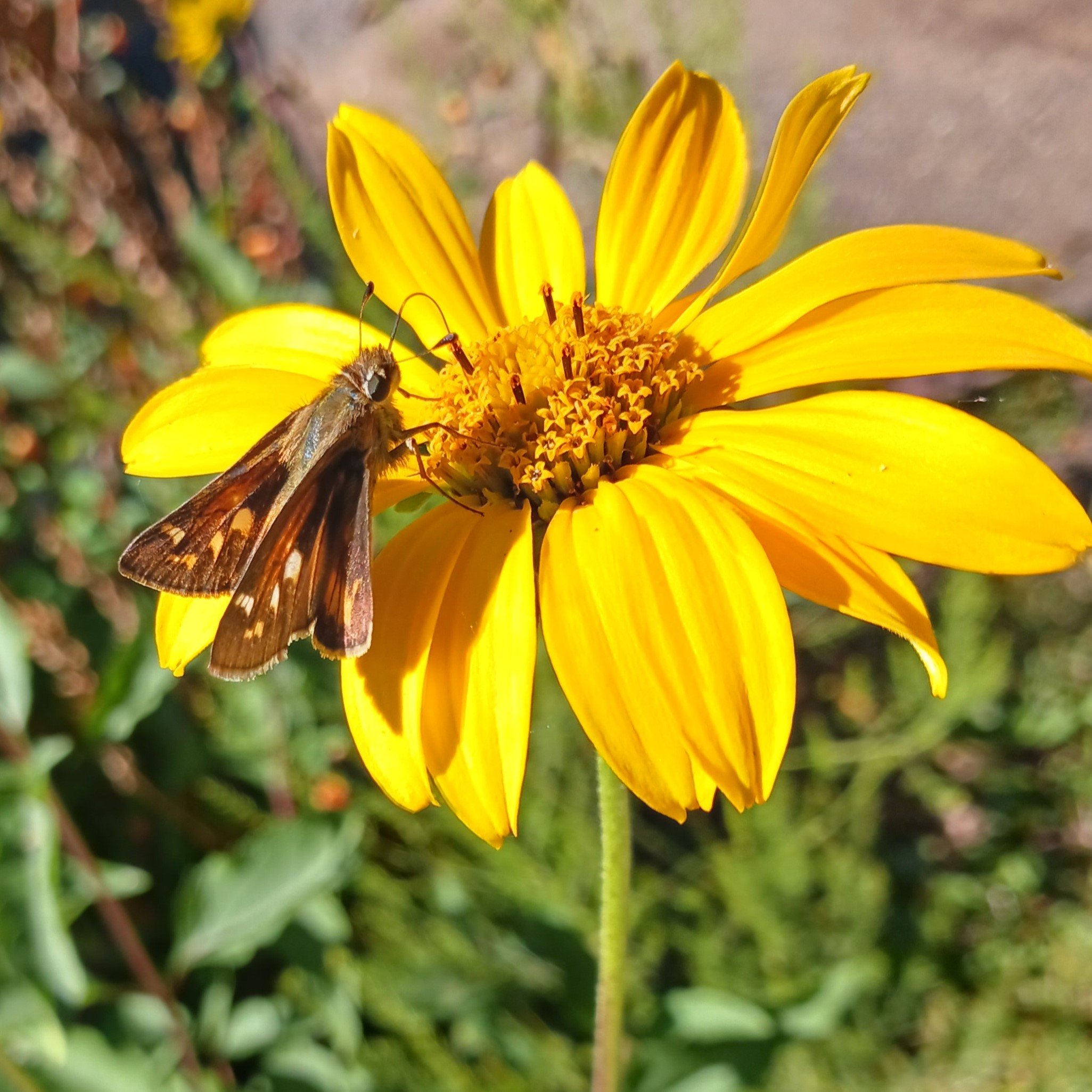
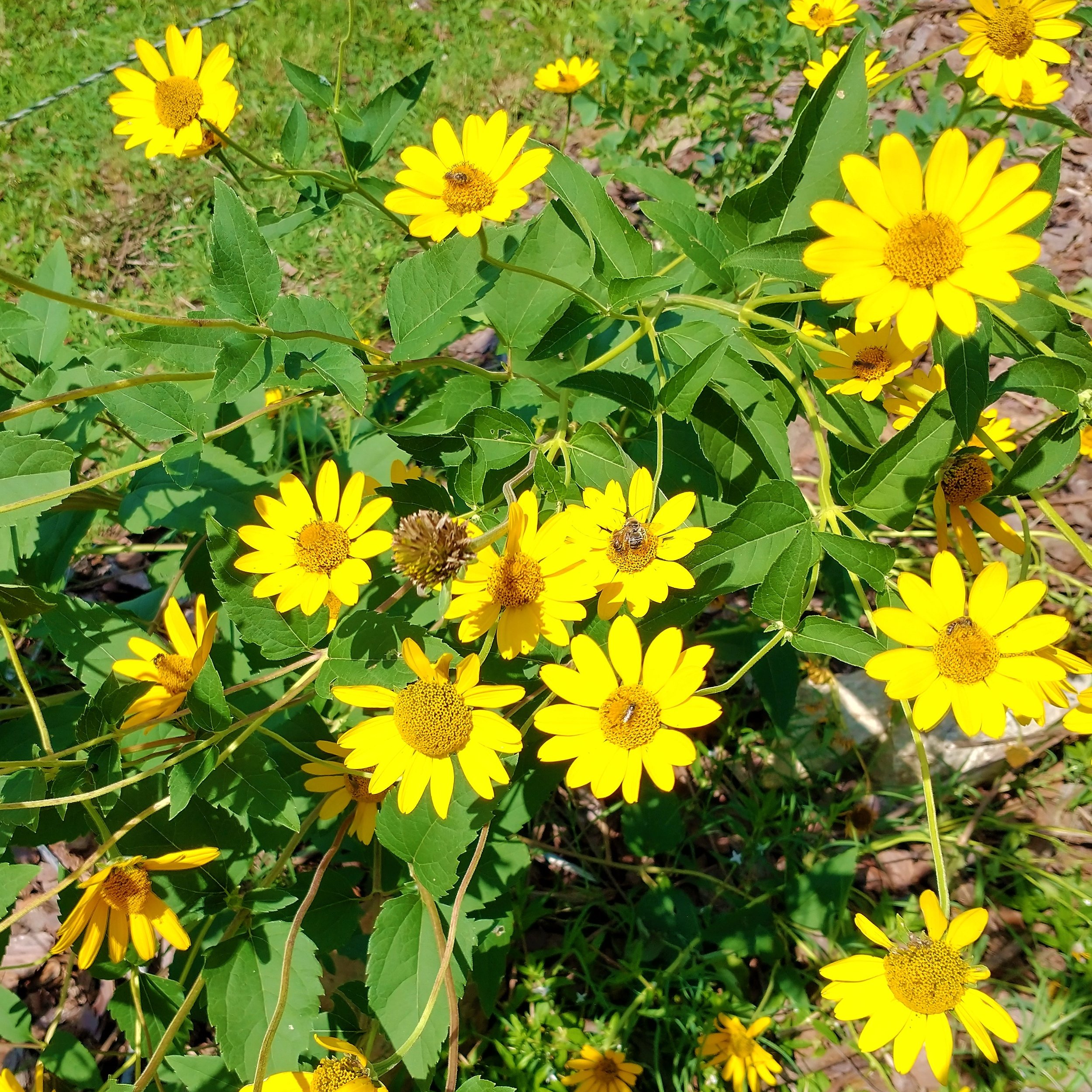
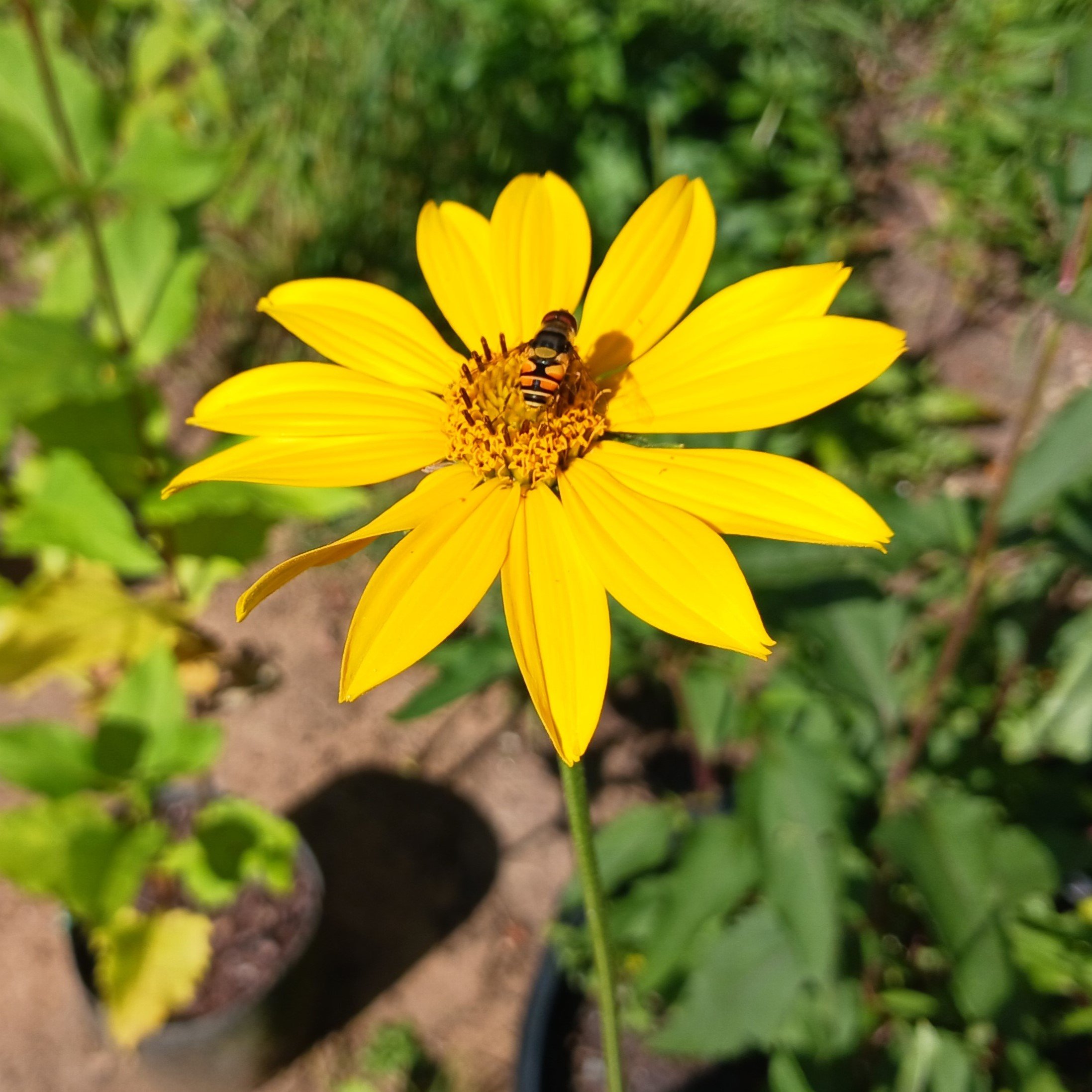
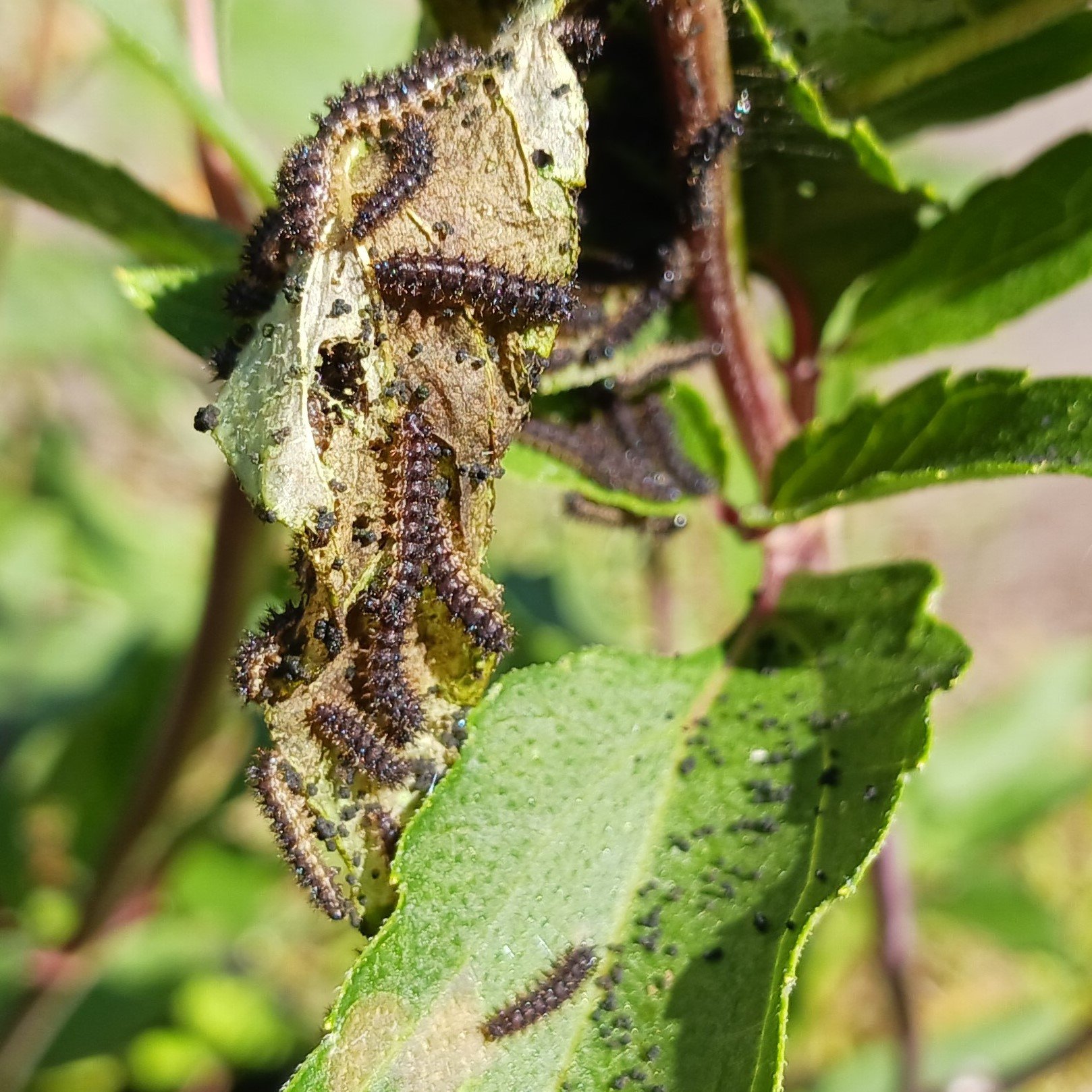
Asters have been known as keystone plants of many habitats in our region, and while this group of wildflowers has changed and diverged over time, flowers of the Symphyotrichum genus are some of the best for wildlife. They can occupy a variety of spaces in any landscape, Symphyotrichum laeve offers the benefit of adaptability for moist to dry soils, and part-shade conditions. Symphyotrichum species often bloom later in the season, peaking in September and October at a time when pollinators may have trouble finding other sources of food. This makes the abundant, easy to access aster flowers ideal for many kinds of insects. In addition, a wide range of different species of butterflies and moths use asters as host plants for their caterpillars. This selective dependence can be great when Symphyotrichum and related genera are in abundance, but challenging when they are replaced by non-native weeds, lawns, and other human impacts. Offering asters as a garden plant can also offer food sources to other wildlife, including a wide variety of birds. Overall, choosing at least one aster species can make a small but important impact.
Pollinators: bumblebees, cellophane bees, fairy bees, leafcutter bees, long-horned bees, mason bees miner bees, pebble bees, small carpenter bees, sweat bees, yellow-faced bees, butterflies, moths, bee flies, flower flies, soldier beetles, beetle wasps, carrot wasps, chalcid wasps, grass-carrying wasps, mason wasps, potter wasps, sand wasps, scoliid wasps, spider wasps, square-headed wasps, thread-waisted wasps, thynnid flower wasps
Host Plant for Butterflies/Moths: 39+ Lepidoptera species, many of which feed only on a few genera other than Symphyotrichum, including the Pearl Crescent (Phyciodes tharos) and Aster Flowerhead Caterpillar (Eucosma parmatana)
Dependent Species: 31 oligolectic bee species in our region of which Melissodes pilleatus is only found in NC, 2 bee species only feed on Symphyotrichum - Andrena asteroides (AL, GA, MD, NC, PA, SC, TN, VA) and Anthophorula asteris (GA); Lepidoptera which only feed on Symphyotrichum - Incognito Crescent Butterfly (Phyciodes incognitus), Tawny Crescent Butterfly (Phyciodes batesii), Aster-head Phaneta (Eucosma tomonana), Hoffman’s Cochylid (Cochylichroa hoffmanana), Landryia impositella, Coleophora eriocoides, Bucculatrix cuneigera
Wildlife Value: Bobwhites, Songbirds, Thrushes, Turkeys, Wood Warblers, numerous insect herbivores including the walking stick Manomera blatchleyi, shelter
Deer Resistance: Browsed by deer
Native Region: Appalachian Mountains, Piedmont
Seed Origin: West Virginia
Ecoregion: 66 - Blue Ridge
Light Recommendation: Full Sun, Part-sun
Soil Moisture Recommendation: Moist, Medium, Medium-dry
USDA Zones: 4-8
States found in our region: AL, DE, GA, KY, MD, NC, PA, SC, TN, VA, WV
Other states found: AR, AZ, CO, CT, FL, ID, IL, IN, IA, KS, LA, ME, MA, MI, MN, MS, MO, MT, NE, NV, NH, NJ, NM, NY, ND, OH, OK, RI, SD, TX, UT, VT, WA, WI, WY