
 Image 1 of 2
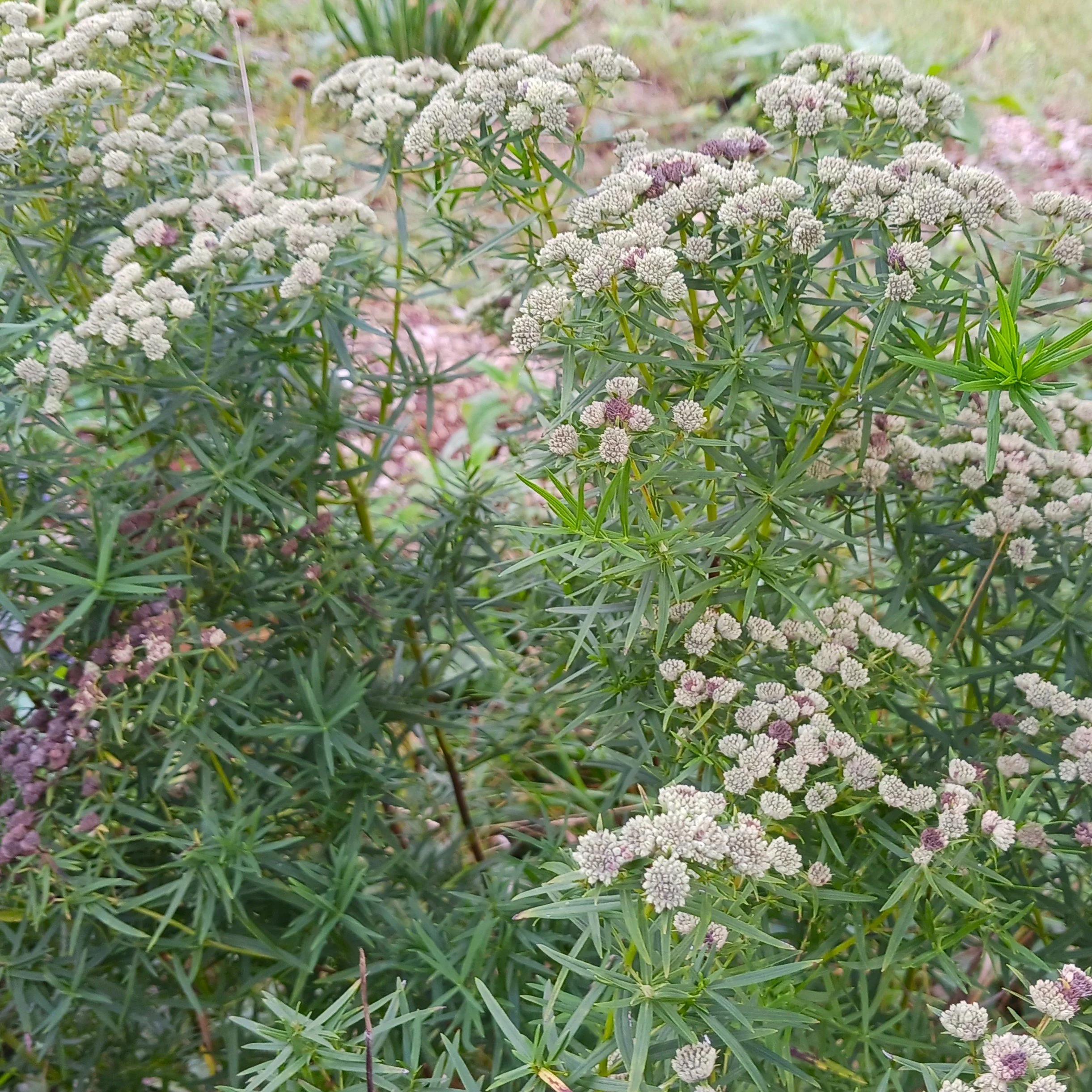 Image 2 of 2
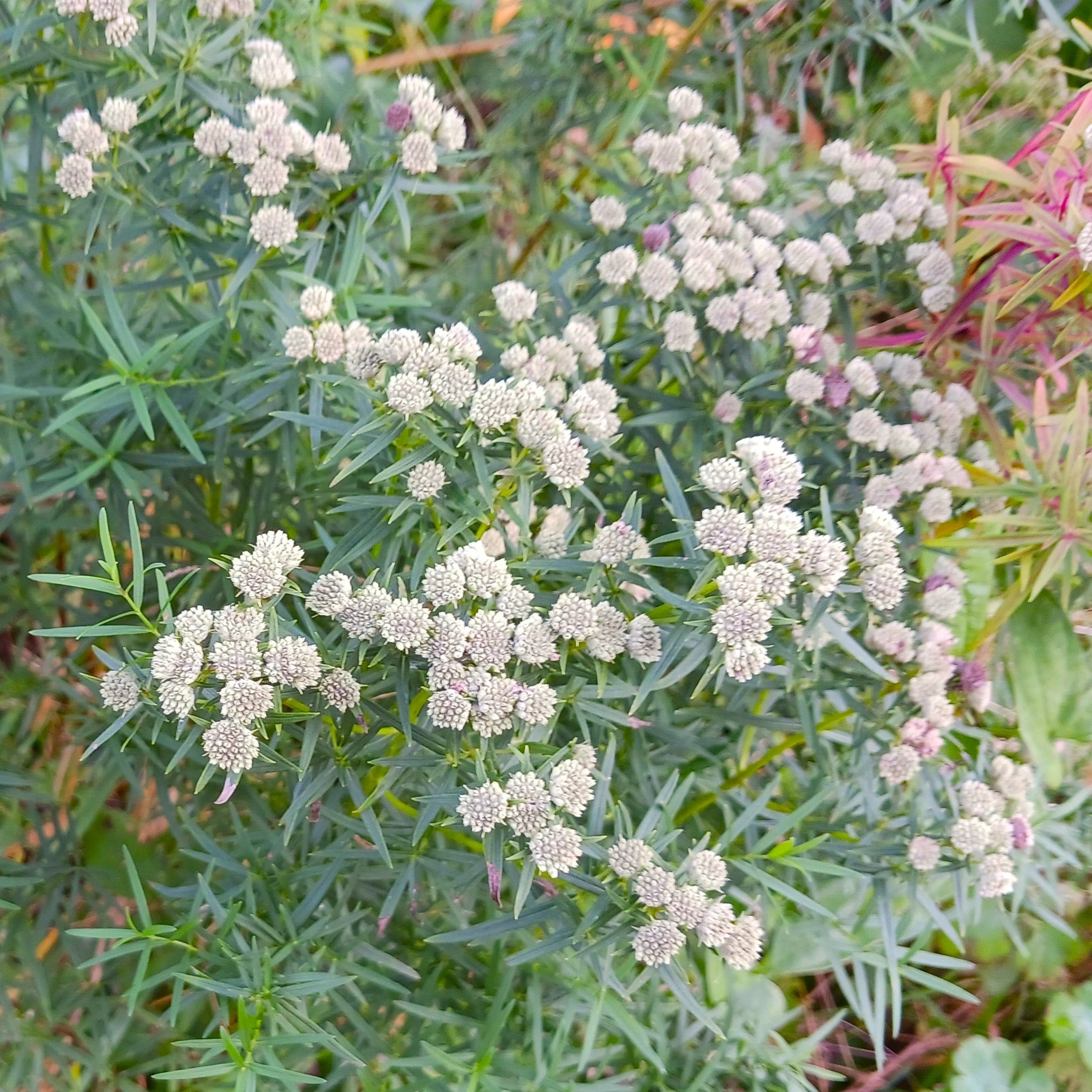
Pycnanthemum tenuifolium, while similar to Clustered Mountain Mint, is a better option for hot and dry areas, and is considered to somewhat easier to manage. Pycnanthemum tenuifolium can be grown in full to part sun in areas that range from sometimes wet to usually dry. They have deep fibrous roots, helping them with erosion control and withstanding drought, so can be good options for sunny dry slopes or rain gardens. Typically this species grows 1 to 3 feet in height, rarely taller, and it can spread to form patches over time - best used in larger landscapes, but can work well in smaller spaces when paired with other vigorous plant species. The flowers have a long bloom period, beginning in June, and can keep blooming well into fall, with showy white clusters attractive in any garden.
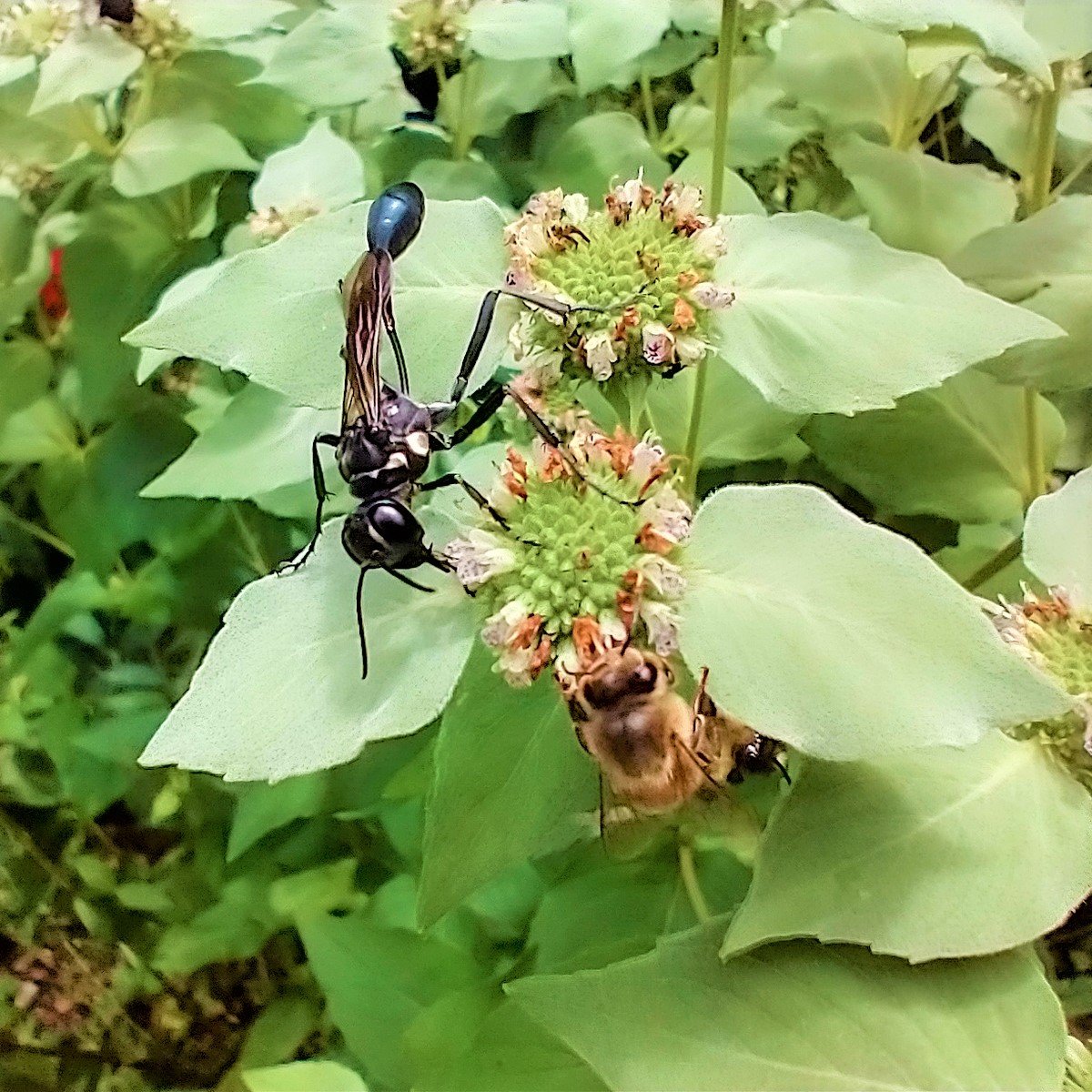
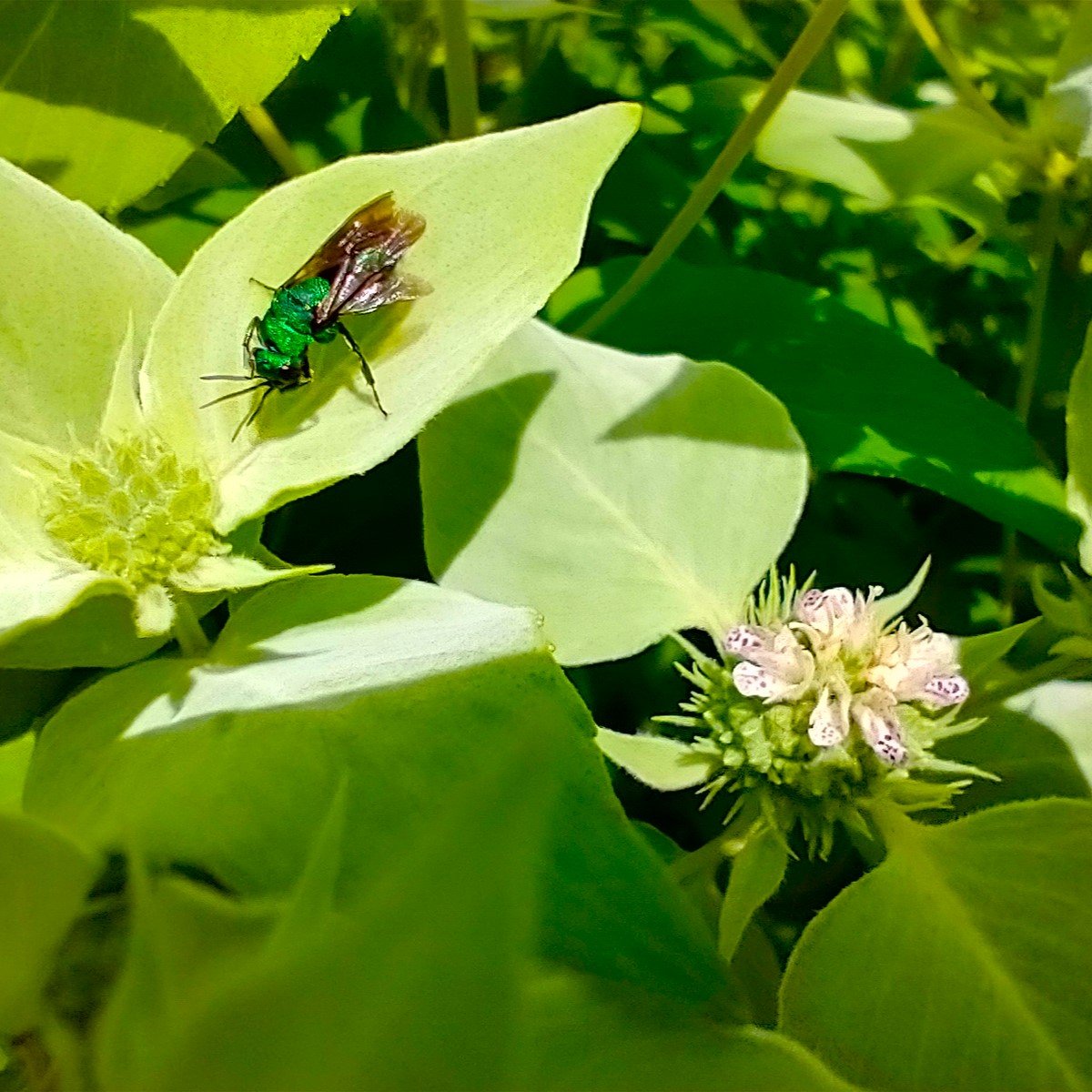
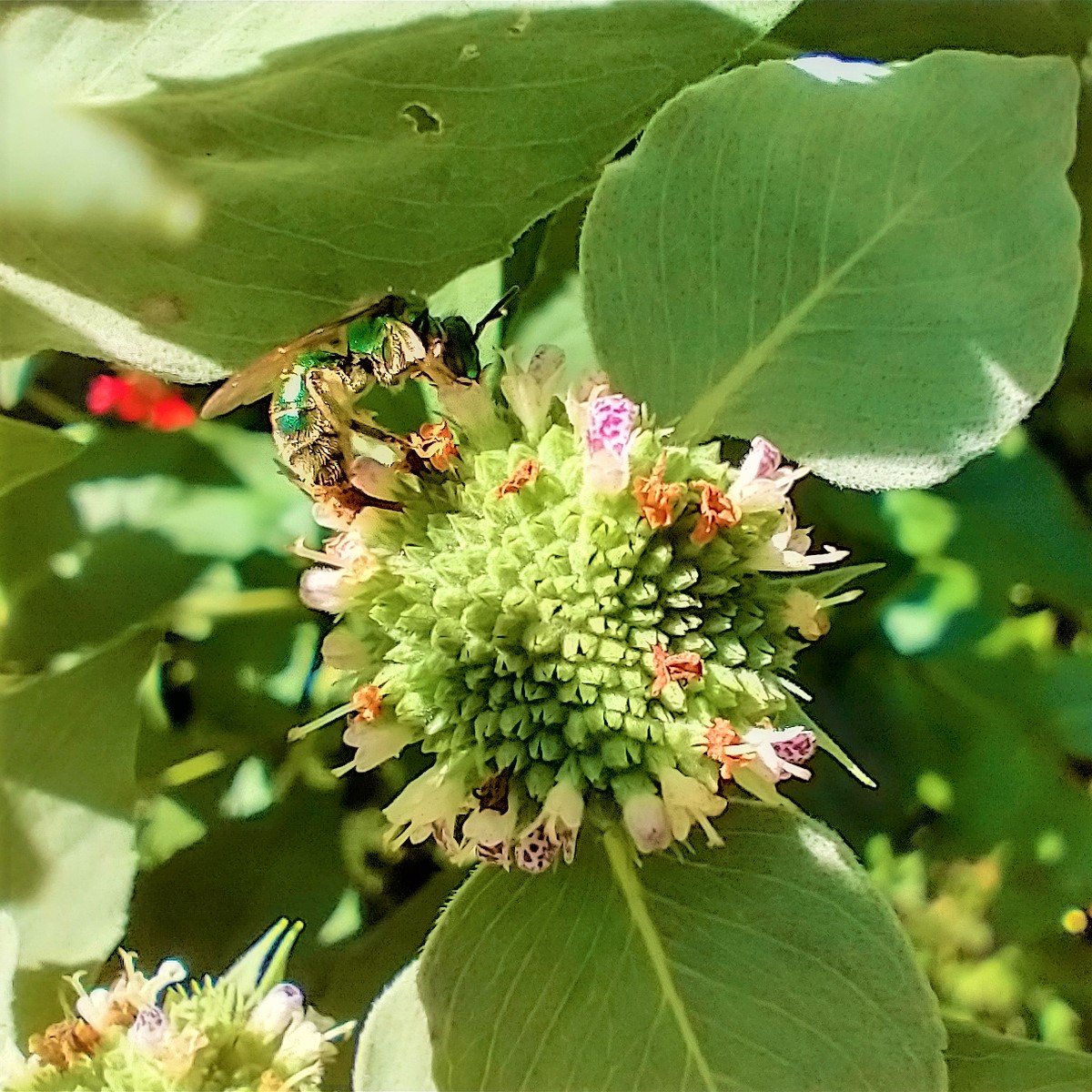
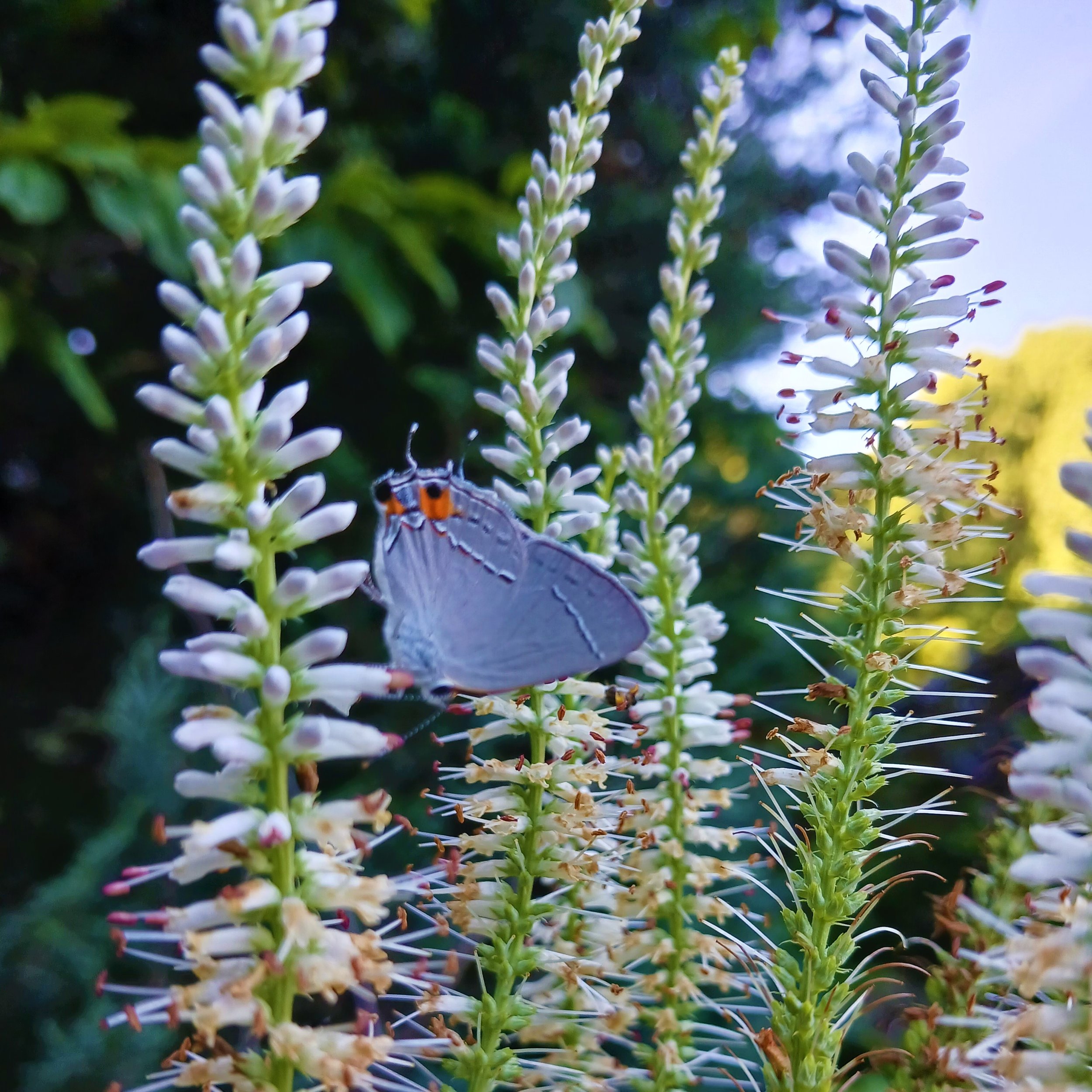
For many modern pollinator gardens, finding deer resistant plants can be a challenge. Pycnanthemum species work well against browsing by deer and rabbits due to the strong minty smell of the plants, and their rabid growth, rebounding even when trimmed back. Pycnanthemum tenuifolium is a favorite for pollinators, attracting a wide range of insects, especially rarer pollinators such as beneficial wasps that double as pest control. We have also heard reports that Eastern Box Turtles love to eat the early spring growth of Pycnanthemum shoots. An all around great choice for bug lovers!
Pollinators: bumblebees, leafcutter bees, long-horned bees, mason bees, resin bees, sweat bees, yellow-faced bees, butterflies, moths, bee flies, flower flies, tachinid flies, long-horned beetles, soldier beetles, beetle wasps, blue mud wasps, chalcid wasps, cicada killer wasps, fly hunter wasps, grass-carrying wasps, grasshopper-hunting wasps, horse guard wasps, mason wasps, mole cricket hunter wasps, sand wasps, scoliid wasps, square-headed wasps, spider waps, stink bug-hunting wasps, thread-waisted wasps, thynnid flower wasps, wood-nesting square-headed wasps
Host Plant for Butterflies/Moths: 6+ species of Lepidoptera in our region, including the Orange Mint Moth (Pyrausta orphisalis)
Dependent Species: Chionodes pseudofondella
Wildlife Value: Box Turtles, Songbirds, Wood Warblers, shelter
Deer Resistance: Excellent
Native Region: Appalachian Mountains, Piedmont, Coastal Plain
Seed Origin: nursery seed collected in NC
USDA Zones: 4-8
States found in our region: AL, DE, GA, KY, MD, NC, PA, SC, TN, VA, WV
Other states found: AR, CT, FL, IL, IN, IA, KS, LA, MA, ME, MI, MN, MS, MO, NE, NH, NJ, NY, OH, OK, RI, TX, VT