
 Image 1 of 7
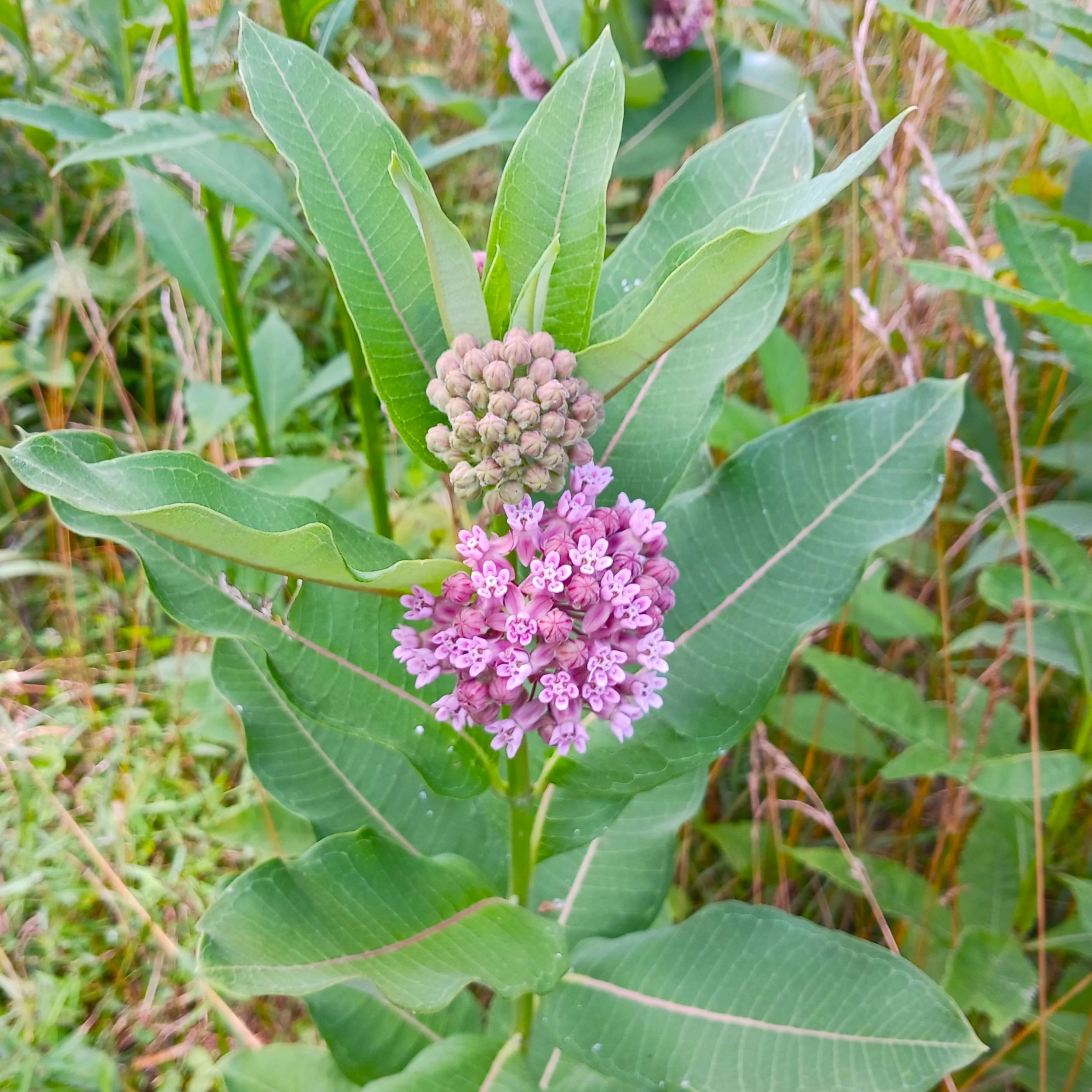 Image 2 of 7
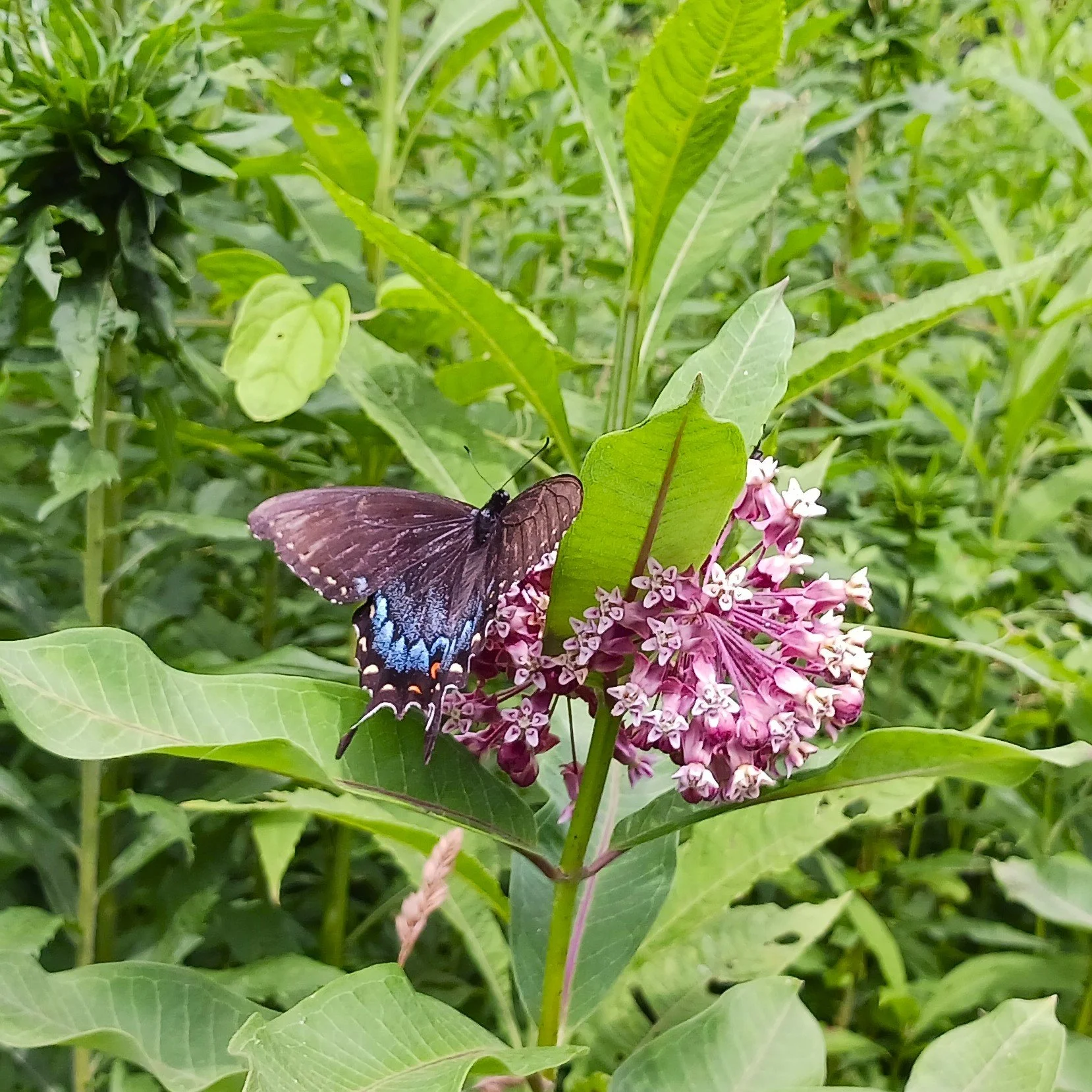 Image 3 of 7
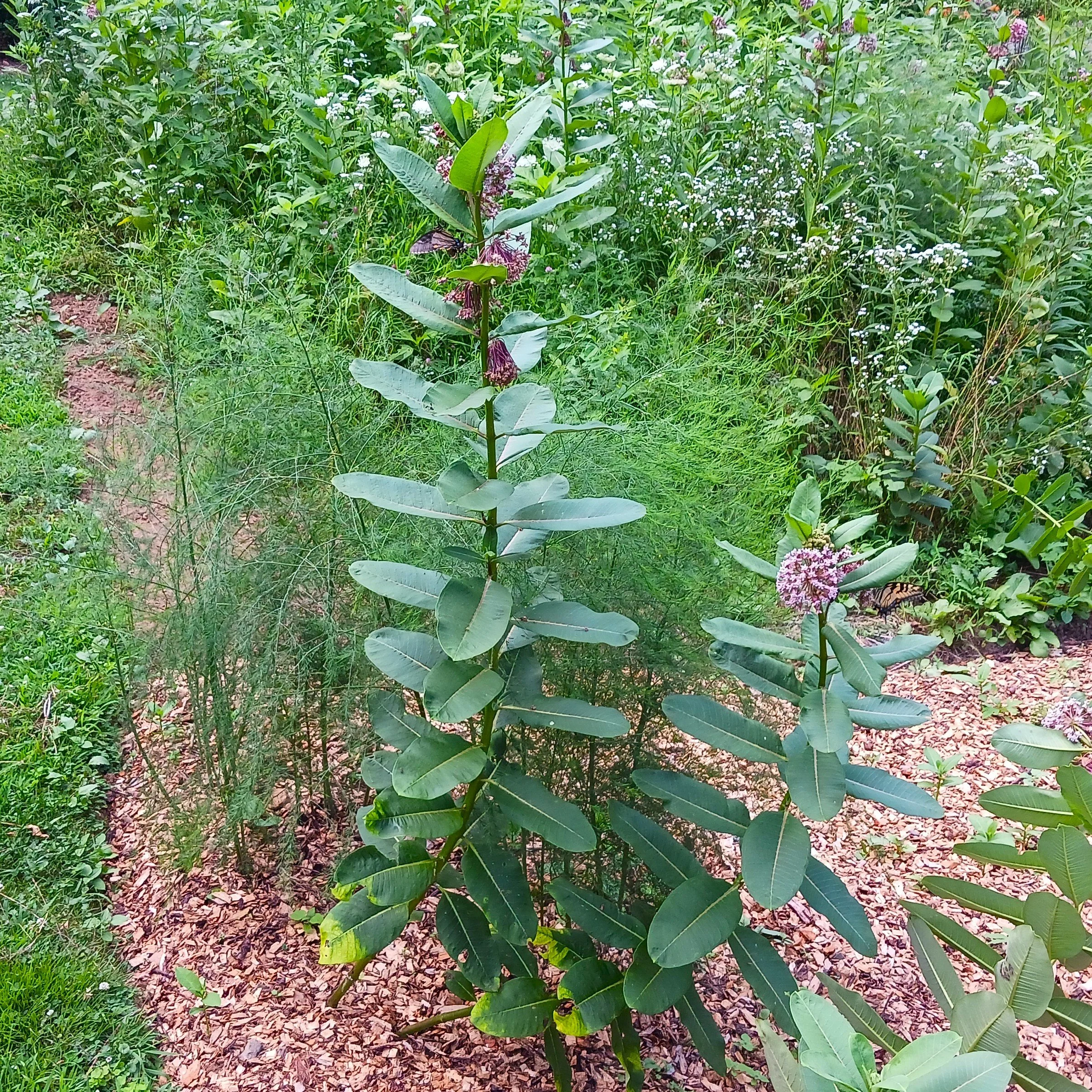 Image 4 of 7
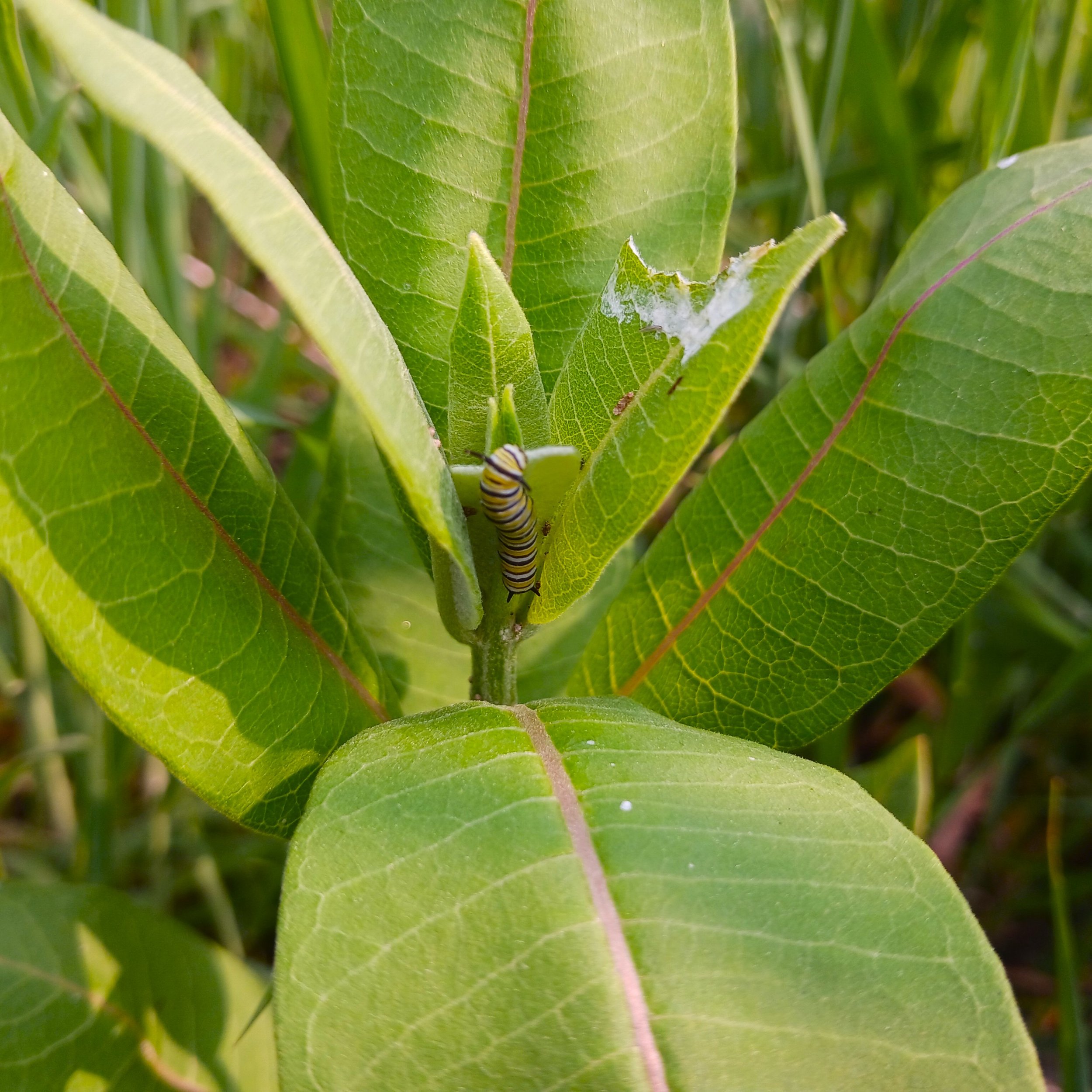 Image 5 of 7
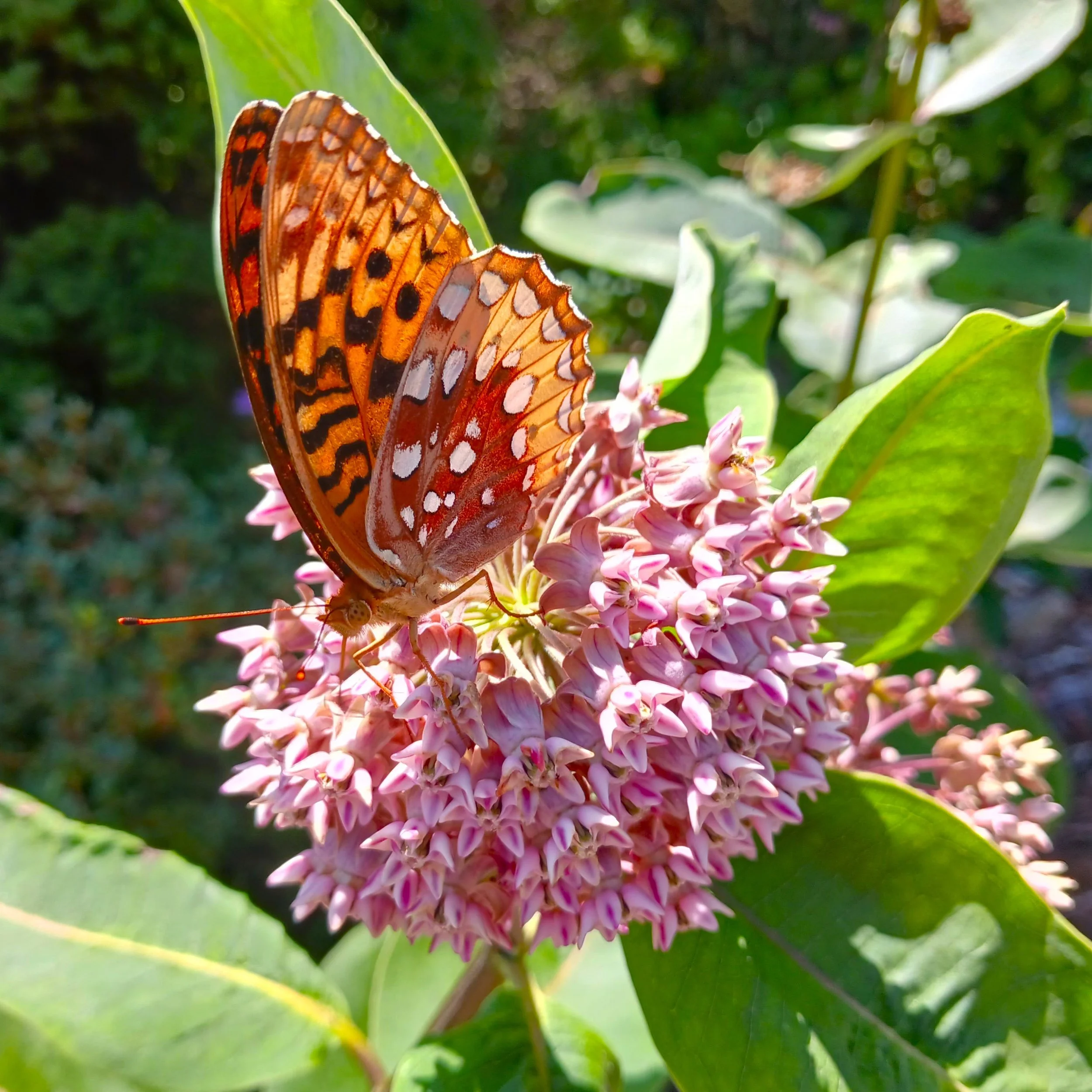 Image 6 of 7
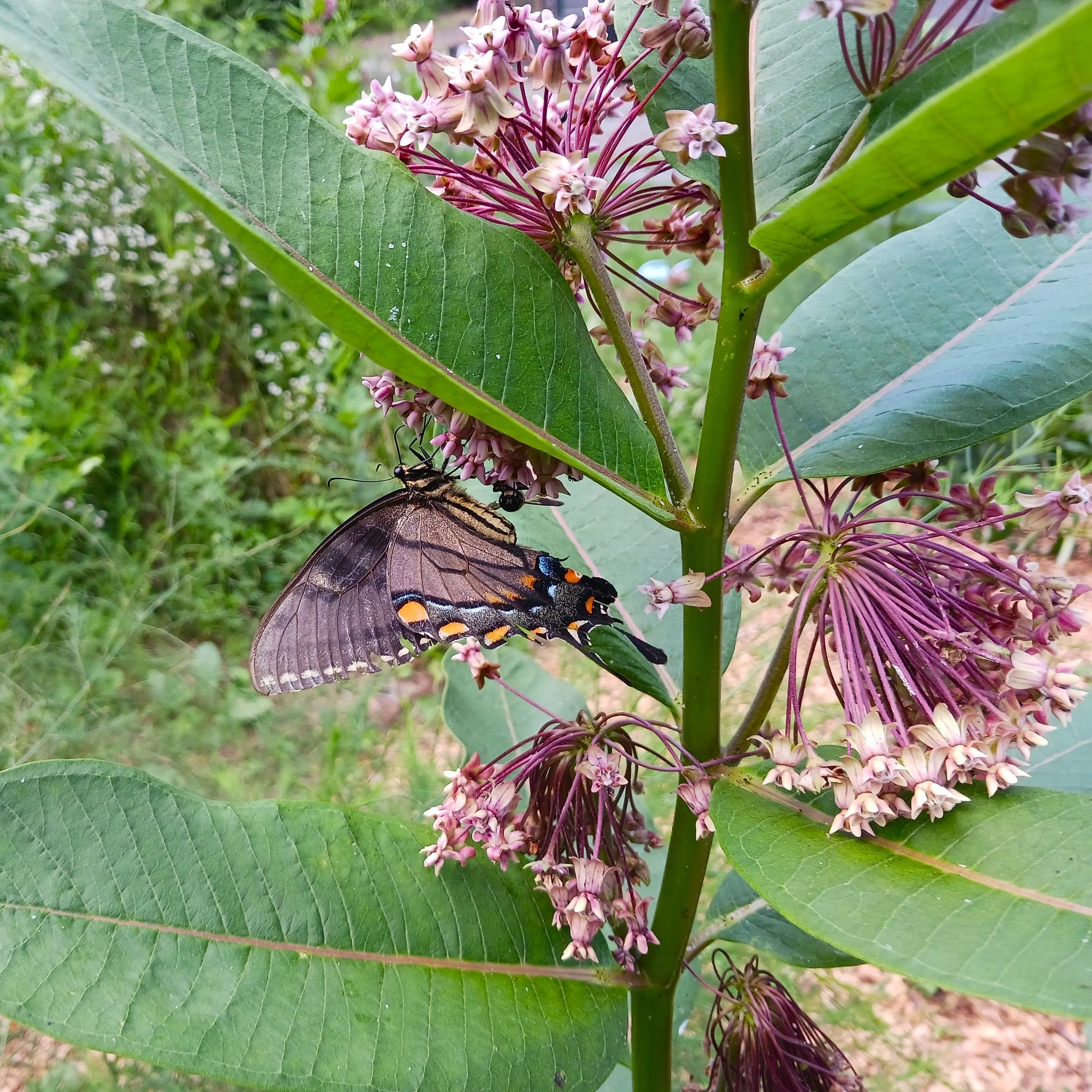 Image 7 of 7
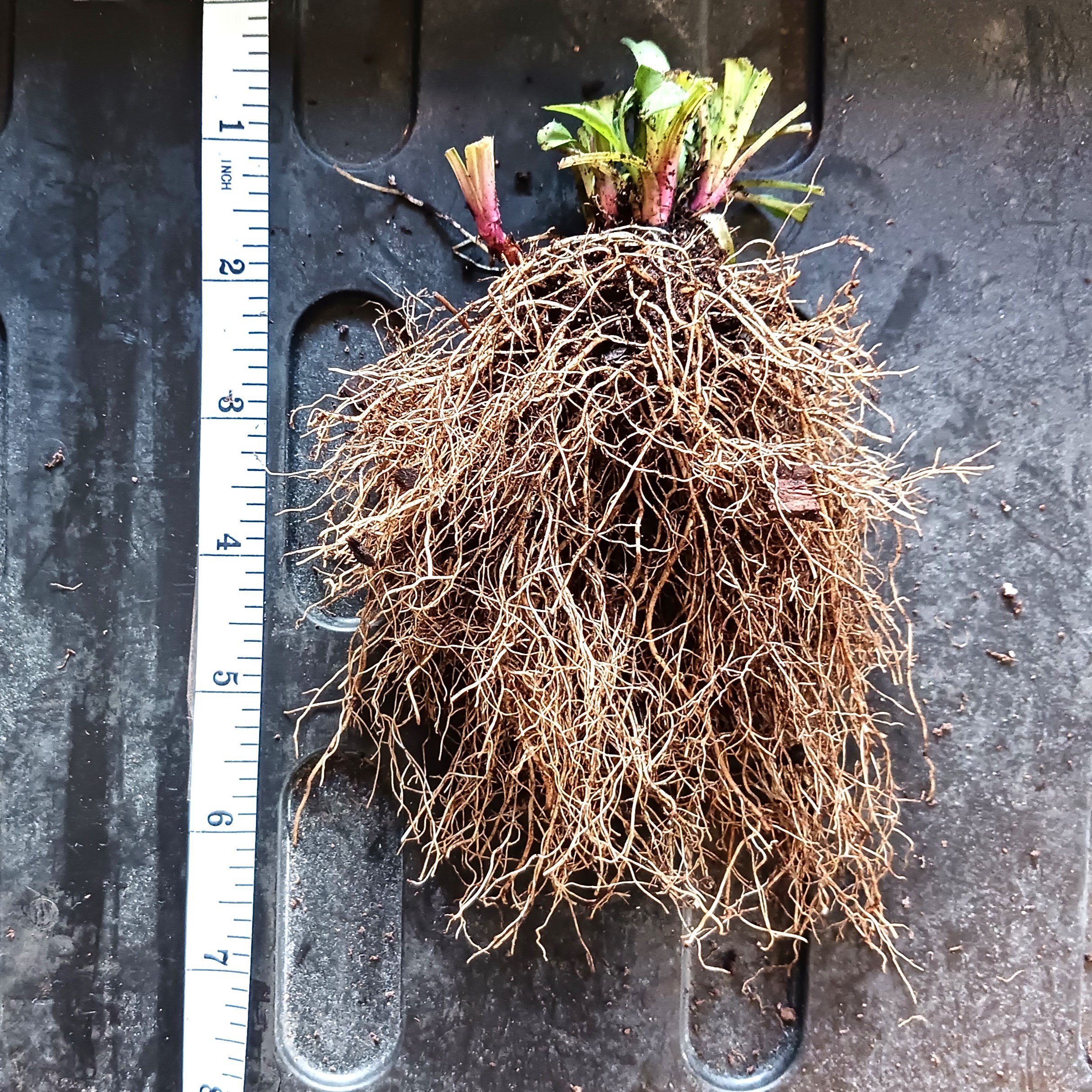
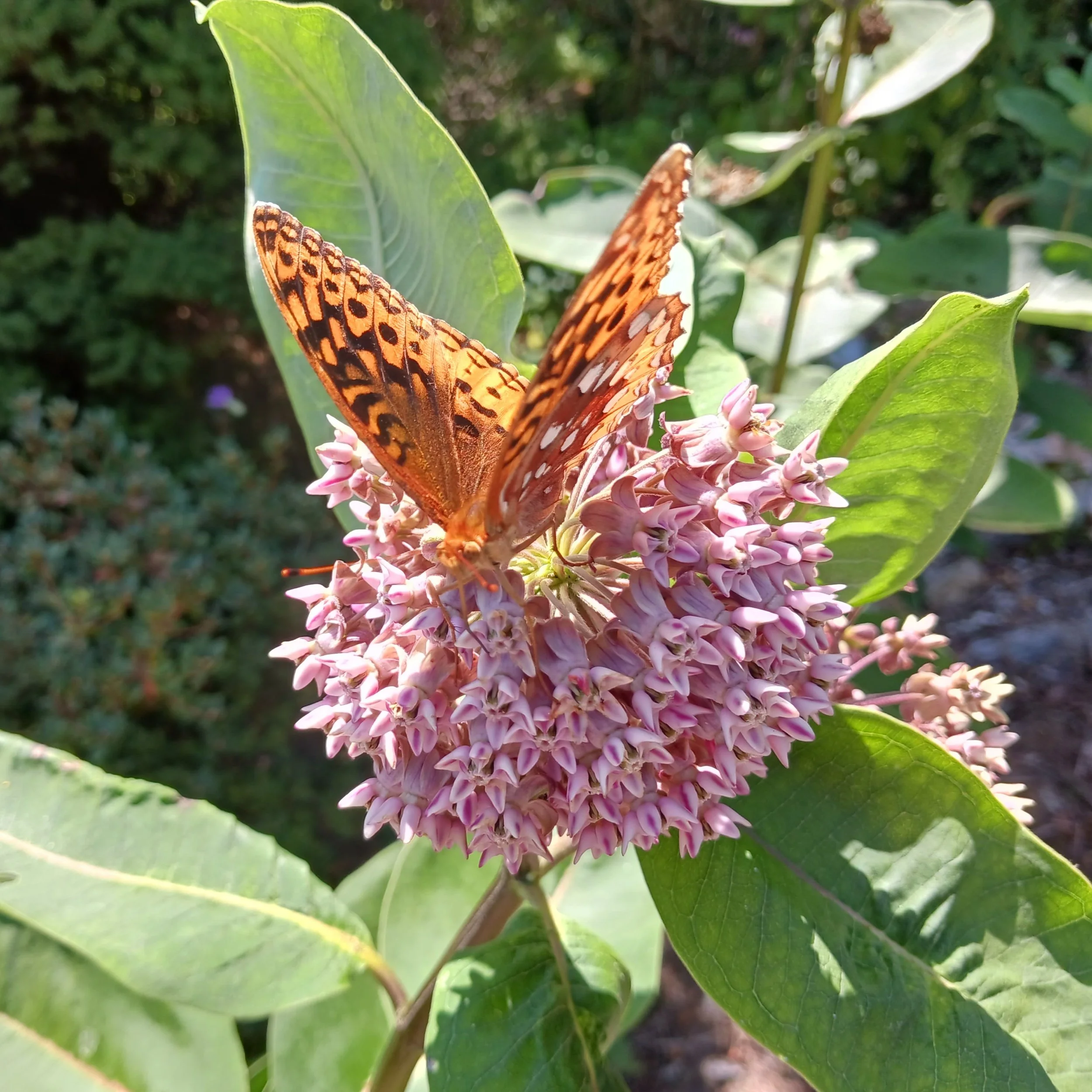
NC Ecotype! For one of the hardiest and easiest to grow milkweeds, look no further than Asclepias syriaca. This species was once common throughout the US, but is now losing habitat to human development, invasive species, and suppression of natural wildfire. Despite this, patches of Common Milkweed can become dominant in old pastures and meadows, providing large colonies of plants for an incredibly wide range of pollinators and insect herbivores. This is partly due to the fact that Common Milkweed easily spread via rhizomes through the soil, so one plant produce a large group. They can also spread via seed, although this can be more challenging without ideal conditions. Either way, this species may be better suited for larger, more natural landscapes than small formal gardens. Plants will typically grow up to 4 feet in height, blooming mid to late summer with showy, fragrant lavender-pink flowers. They tolerate a wide range of soils and light conditions, performing best in full sun and well-draining soils. Deep roots also help with drought resistance once established. Mature plants can be difficult to transplant and young plants may take a few years to bloom. However, once established, Common Milkweed colonies can last for years.
Milkweeds of the Asclepias genus are the only food source in our region for caterpillars of the iconic Monarch butterfly (Danaus plexippus). Asclepias syriaca is a great milkweed species for Monarchs because it provides abundant, fast-growing foliage and forms large colonies over time, which can support numerous individual caterpillars at a time. A number of other species of butterflies and moths also use milkweeds as a larval food source, and milkweed flowers are attractive to a wide range of pollinators. In particular, milkweeds attract beneficial insect predators such as syrphid flies and predatory wasps, so it can be a natural method of biological control. Over time, Asclepias plants can form their own micro-ecosystems with a variety of insects, spiders, birds, and other wildlife all interacting. Even herbivores like aphids can attract predators like lacewing larvae, which may in turn feed on pests in nearby patches of vegetables. A great choice for any bug lover!
Pollinators: bumblebees, leafcutter bees, long-horned bees, small resin bees, sweat bees, butterflies, hawkmoths, thick-headed flies, bee flies, syrphid flies, tachinid flies, soldier beetles, long-horned beetles, beetle wasps, carrot wasps, cicada killer wasps, fly-hunting wasps, grasshopper-hunting wasps, horse guard wasps, mason wasps, sand wasps, scoliid wasps, spider wasps, square-headed wasps, stink bug-hunting wasps, thread-waisted wasps, thynnid flower wasps
Host Plant for Butterflies/Moths: A dozen or more Lepidoptera species, including Tiger moths
Dependent Species: Monarch (Danaus plexippus), Unexpected Cycnia (Cycnia inopinatus), Milkweed Tussock Moth (Euchaetes egle), Queen (Danaus gilippus)
Wildlife Value: Hummingbirds, Songbirds, Thrushes, Wood Warblers
Deer Resistance: Excellent (deer may browse early shoots, however)
Native Region: Appalachian Mountains, Piedmont, Coastal Plain
Seed Origin: Ashe County, NC
Ecoregion: 66 - Blue Ridge
Light Recommendation: Full Sun, Part Sun
Soil Moisture Recommendation: Medium-wet, Moist, Medium, Medium-dry
USDA Zones: 3-9
States found in our region: AL, DE, GA, KY, MD, NC, PA, SC, TN, VA, WV
Other states found: AR, CT, IL, IN, IA, LA, ME, MA, MI, MN, MS, MO, NE, NH, NJ, NY, ND, OH, OK, RI, SD, VT, WI