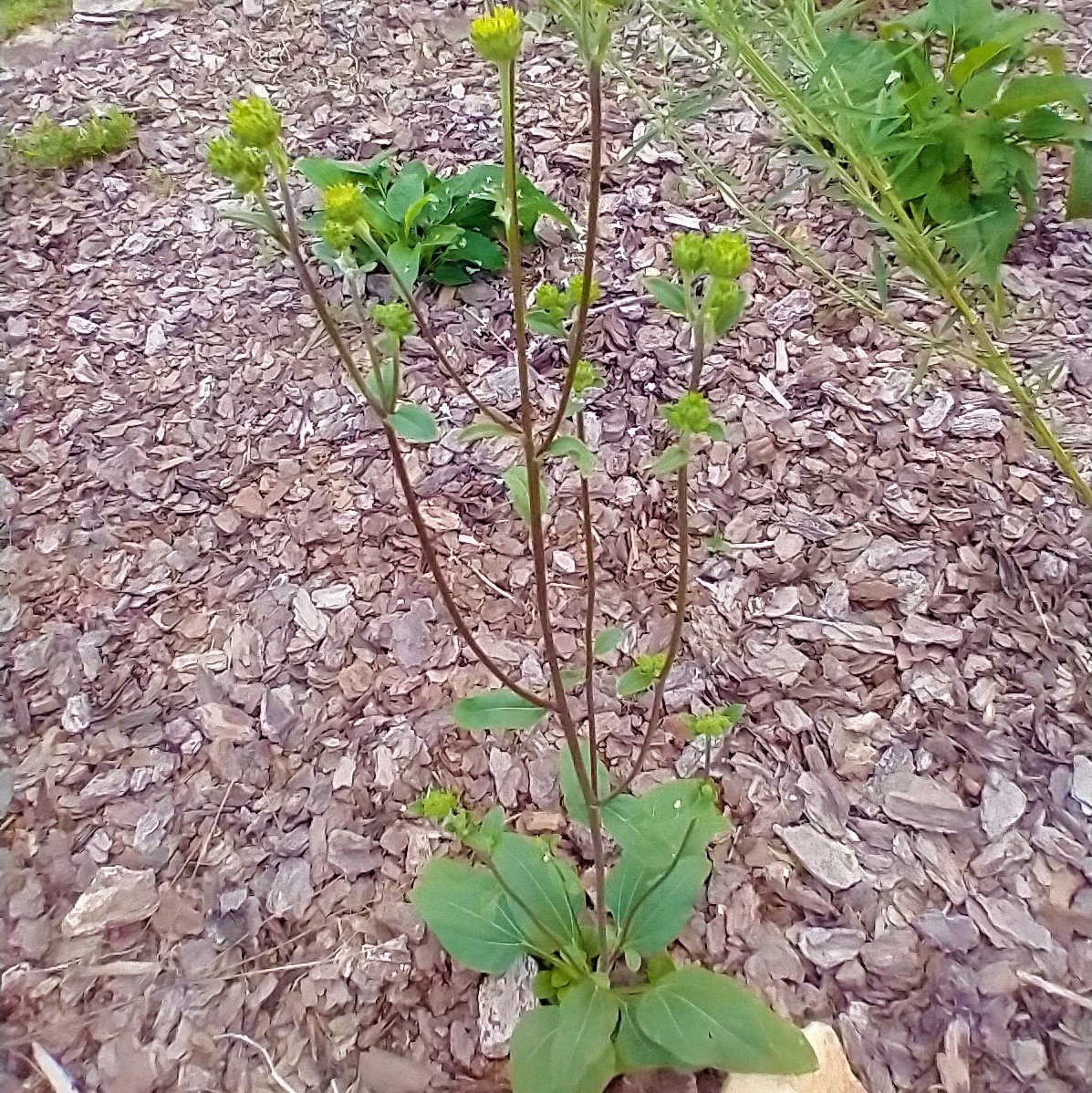

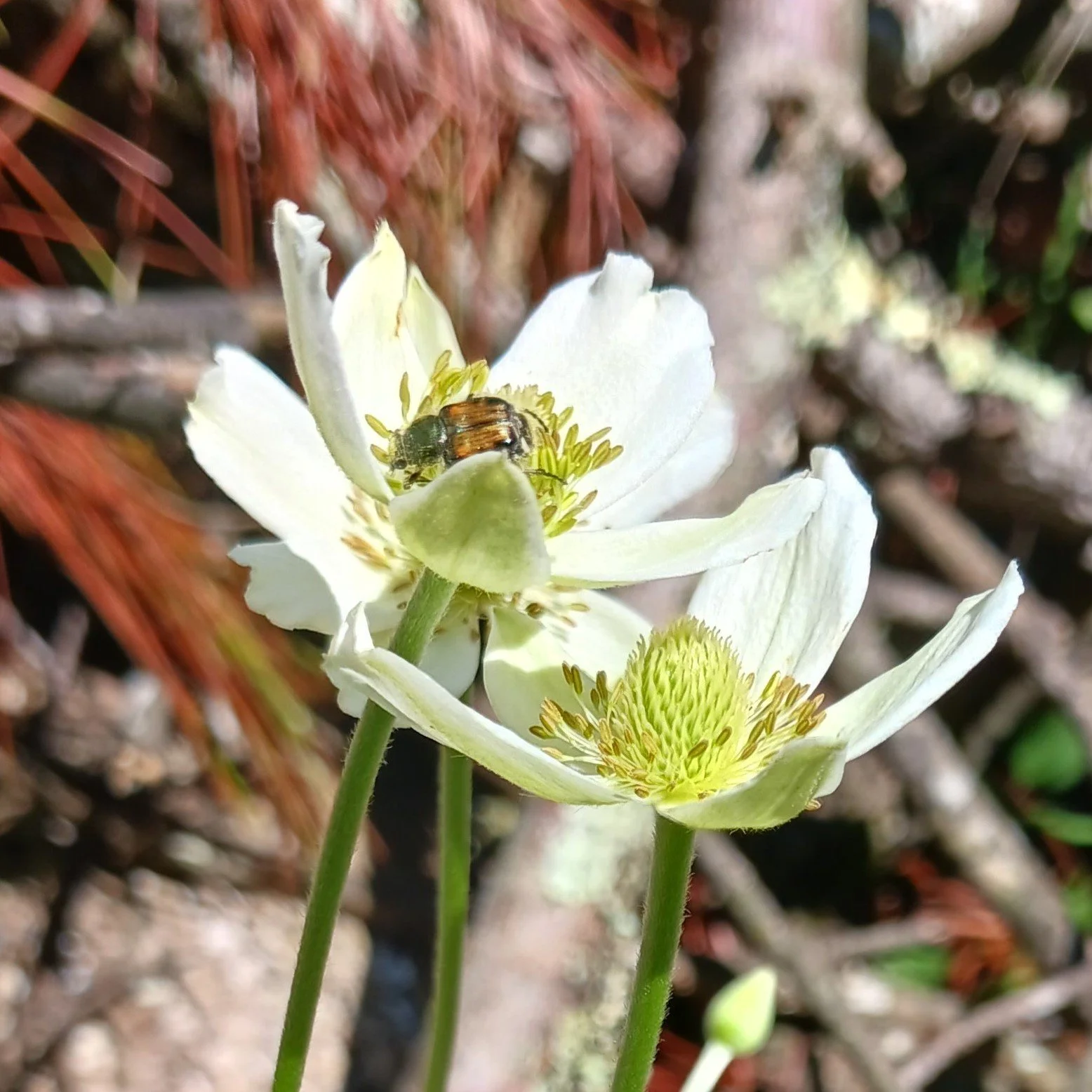
 Image 1 of 2
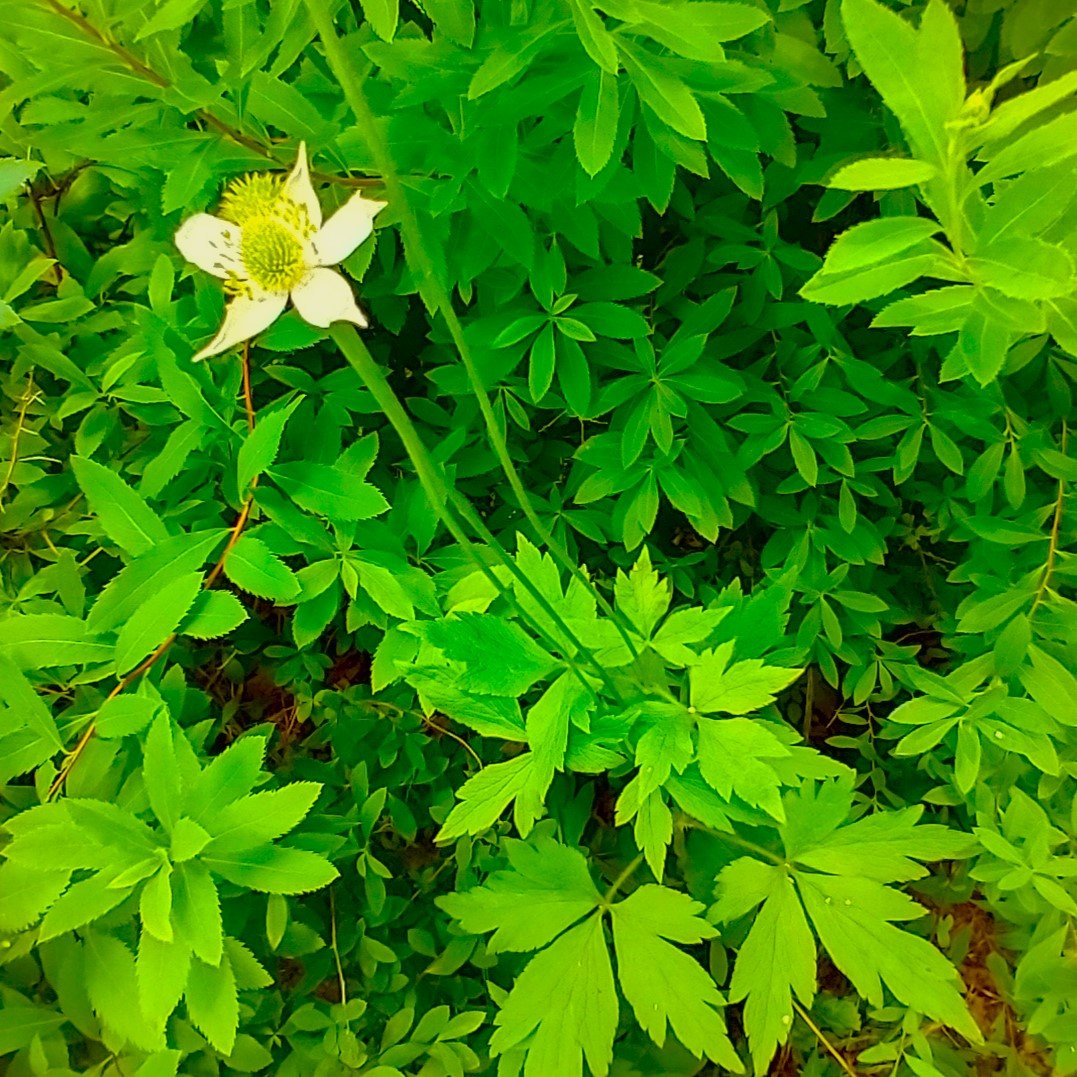 Image 2 of 2
NC Ecotype! Shade-tolerant wildflowers can be challenging to find and grow, which is why Anemone virginiana is a great choice. While it can reseed or spread by rhizomes over time, it is not an aggressive perennial, and forms an attractive 2’ high leafy groundcover when fully established. The subtle 3-4’ tall white flowers bloom May-July and are long lasting, producing a thimble-shaped spiny fruit, hence its common name “Tall Thimbleweed.” The thimbles persist into fall, adding seasonal interest into winter. This species is also tolerates a range of soils as long as conditions are not too wet, and can also grow under Black Walnut.
Anemone virginiana is primarily of benefit to bees, offering pollen for female bumblebees and solitary bees for their nests. The pollen is sometimes also eaten by flower flies and various beetle species. The seeds are primarily wind-dispersed, although they have a lovely cotton-boll appearance in winter. This species is somewhat toxic to mammals like rabbits and deer, although deer may sometimes attempt to browse the flowers. Large patches of Anemone virginiana can also provide leafy cover for woodland wildlife.
Pollinators: bumblebees, cellophane bees, leafcutter bees, miner bees, sweat bees, yellow-faced bees, flower flies, soldier beetles
Host Plant for Butterflies/Moths: unknown at this time
Wildlife Value: shelter - leaf cover
Deer Resistance: Very Good
Native Region: Appalachian Mountains, Piedmont, Coastal Plain
Seed Origin: Ashe County, NC
Ecoregion: 66 - Blue Ridge
Light Recommendation: Part Sun, Dappled Shade, Shade
Soil Moisture Recommendation: Moist, Medium-Dry
USDA Zones: 2-8
States found in our region: AL, DE, GA, KY, MD, NC, PA, SC, TN, VA, WV
Other states found: AR, CT, IA, IL, IN, KS, LA, MA, ME, MI, MN, MO, MS, ND, NE, NH, NJ, NY, OH, OK, RI, SD, VT, WI, WY